
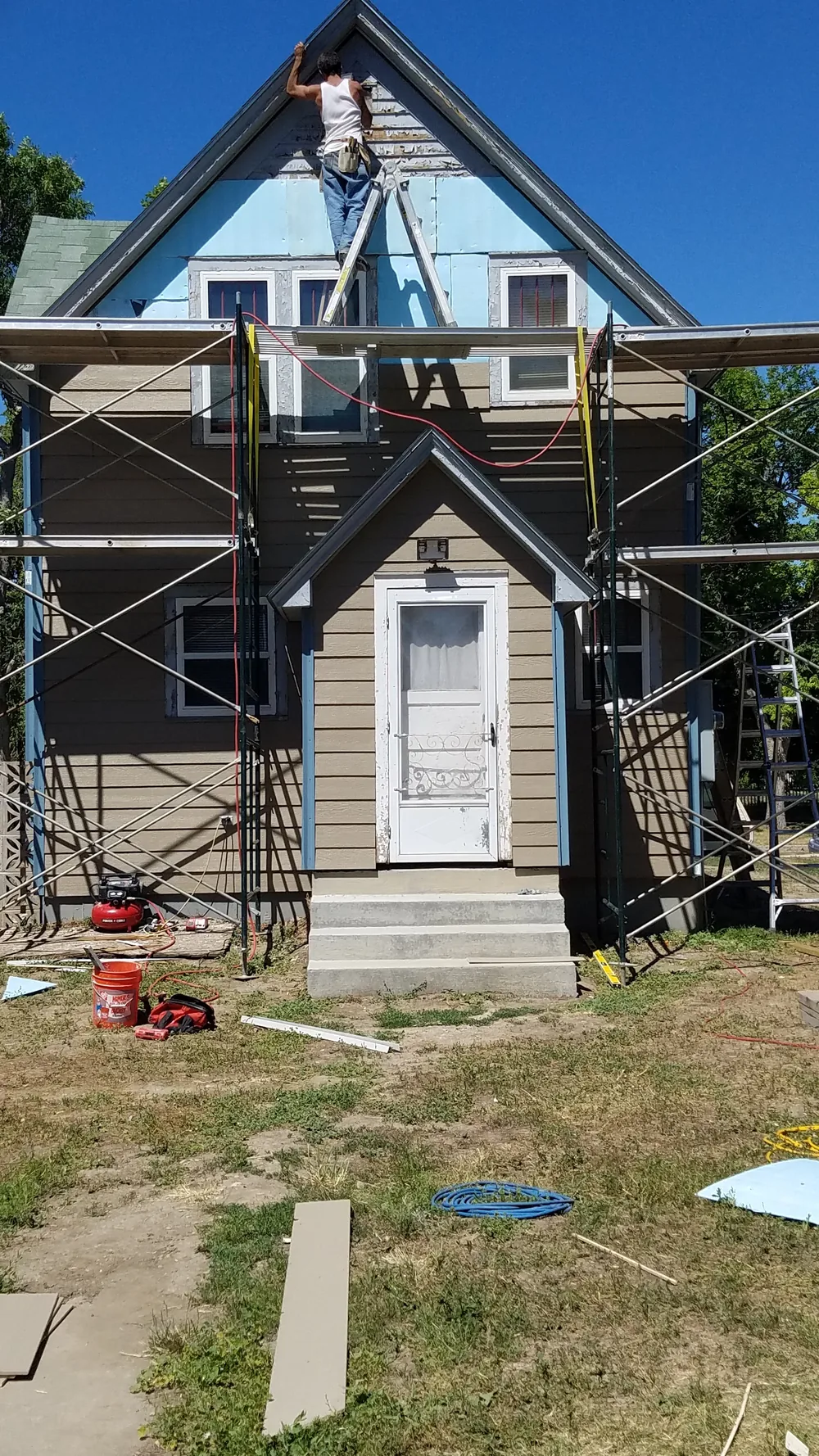
Decide what you want to improve
Take note of damaged areas, loose pieces, staining, visible gaps or sections that look different from the rest of the house. These observations are useful conversation starters, rather than a diagnosis. Also consider your goals for appearance, maintenance and budget so the proposed siding scope can address what matters to you.
Ask about what is behind the surface
A siding discussion should include the condition of the existing exterior and how water is managed behind the visible finish. Ask what removal is proposed, what underlying conditions can be assessed and how concealed issues would be handled if discovered. Clarify how any additional work would be documented and approved.
Give transitions the attention they deserve
Windows, doors, roof intersections, corners and penetrations interrupt the siding surface. Discuss trim and flashing at those connections, along with how the siding will meet existing parts of the home. If soffit or fascia work is also needed, coordinate those choices before treating them as separate finishing decisions.
Choose a look that fits the whole house
Consider siding color with the roof, foundation, window trim and neighboring surfaces. Ask which product options suit your project and what their care requirements involve. Before deciding, discuss finish details, access around the house, material availability and the written scope. These questions help connect the design you like with a practical project.